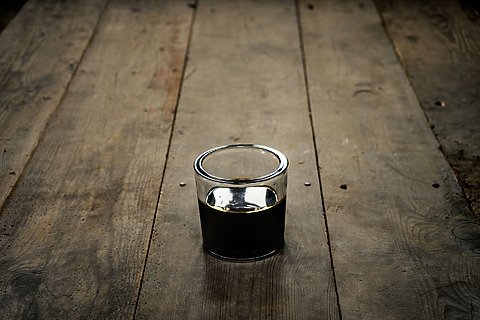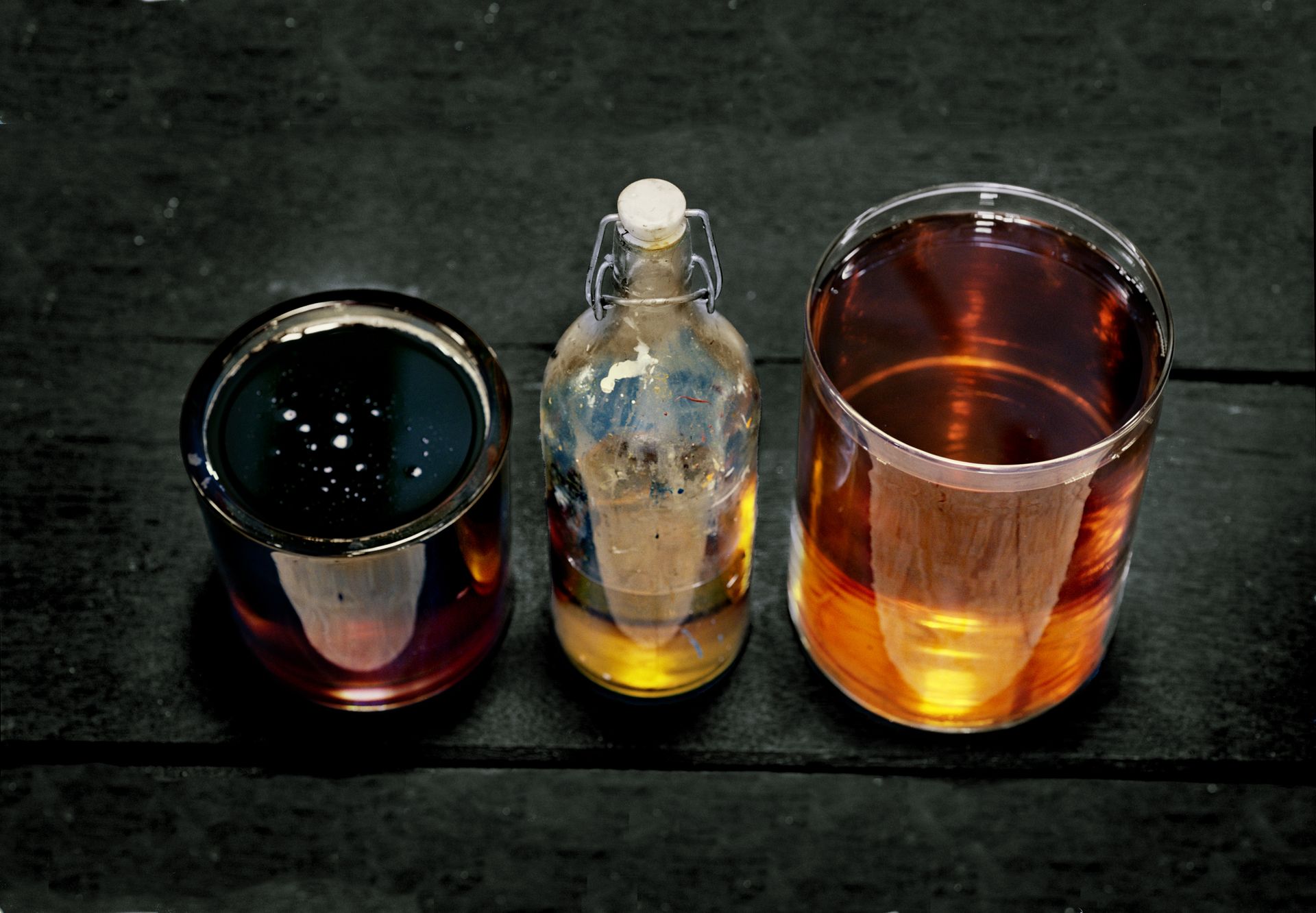

Here you will find our honey yellow cold-pressed linseed oil, the slightly darker linseed oil varnish, our smoky wood tar and the glossy tonkin varnish for the surface treatment of wood.
Our linseed oil primer is a colorless primer oil and the ideal solution for anyone who wants to prime exterior wood before painting it with linseed oil paint.
It is based on our cold-pressed, organic linseed oil from an organic farm in Sweden with many years of experience in processing flaxseed. This linseed oil is free of mucilage and of the highest quality.
Cold pressed linseed oil is ideally suited for priming wood. Our linseed oil of northern origin of (Sweden) is free of mucilage and of the highest quality on the market.
Boiled linseed oil to mix our linseed oil paste to a spreadable paint. Boiled linseed oil is linseed oil that was mixed with a desiccant. It is added to linseed oil pastes to form a spreadable linseed oil paint. For this purpose, it is stirred in equal parts of boiled linseed oil and linseed oil paste including the desiccant. The amount of desiccant varies from colour to colour.
Good boiled linseed oil has a bright clear color. It's a little thicker than cold-pressed linseed oil but without being viscous or too oily.
Boiled linseed oil usually dries within 16-18 hours, in some cases 24 hours.
The decking oil is a clear, golden blend of linseed oils, ideal for those who wish to protect their outdoor wooden decking.
Our decking oil can be used on all types of wood, including Douglas fir, larch, pine, spruce, hardwood and pressure-treated timber. Both new and old decking will benefit from our eco-friendly decking oil.
It penetrates deep into the wood whilst providing good surface protection. Your decking is protected against drying out and cracking, and the wood is less likely to warp. Furthermore, the oil is breathable, allowing the wood to ‘breathe’.
Coverage: approx. 6 m² per litre, depending on the absorbency of the surface
This primer oil with wood tar is suitable for exterior wood, for heavily weathered wood surfaces before applying linseed oil paint, for wooden structures, or for particularly exposed wood. It can also be used before a coat of wood tar.
The primer oil is used on timber framing, wooden cladding, wooden gables, wooden structures, fences or shingle roofs.
Risk of spontaneous combustion! Rags/paper soaked in linseed oil can easily catch fire. Store rags and papers soaked in linseed oil in an airtight metal container or immerse them in water.
Kiln Burned Pine Tar with boiled linseed oil for impregnating raw, weathered or heavily leached wooden surfaces. Wood tar oil is used for timber framing, wood cladding, wooden gables, shingled roofs, etc. outdoors as well as for wooden boats.
The ingredients are 50% wood tar, 50% boiled linseed oil.
Risk of spontaneous combustion! Rags/paper soaked in linseed oil can easily catch fire. Store rags and papers soaked in linseed oil in an airtight metal container or immerse them in water.
Kiln Burned Pine Tar for impregnating raw, weathered or heavily acquired wooden surfaces. Pine tar is heard in half-timbering, wooden cladding, wooden gables, shingled roofs, etc. outdoors as well as in wooden boats.
Risk of spontaneous combustion! Rags/paper soaked in linseed oil can easily catch fire. Store rags and papers soaked in linseed oil in an airtight metal container or immerse them in water.
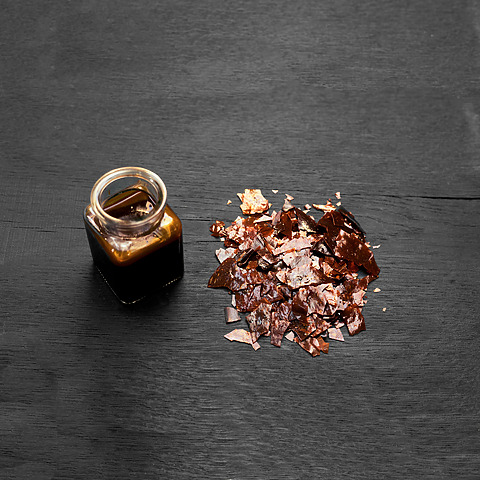
Shellac saves for extruding resin. This product is free of wax. We recommend to treat knotholes with two coatings of shellack after priming with cold pressed linseed oil and before painting with linseed oil paints.
The Shellac gives a shiny and durable coating and is physiologically harmless, biodegradable, and odorless. It is also a traditional finish for interior furniture.