
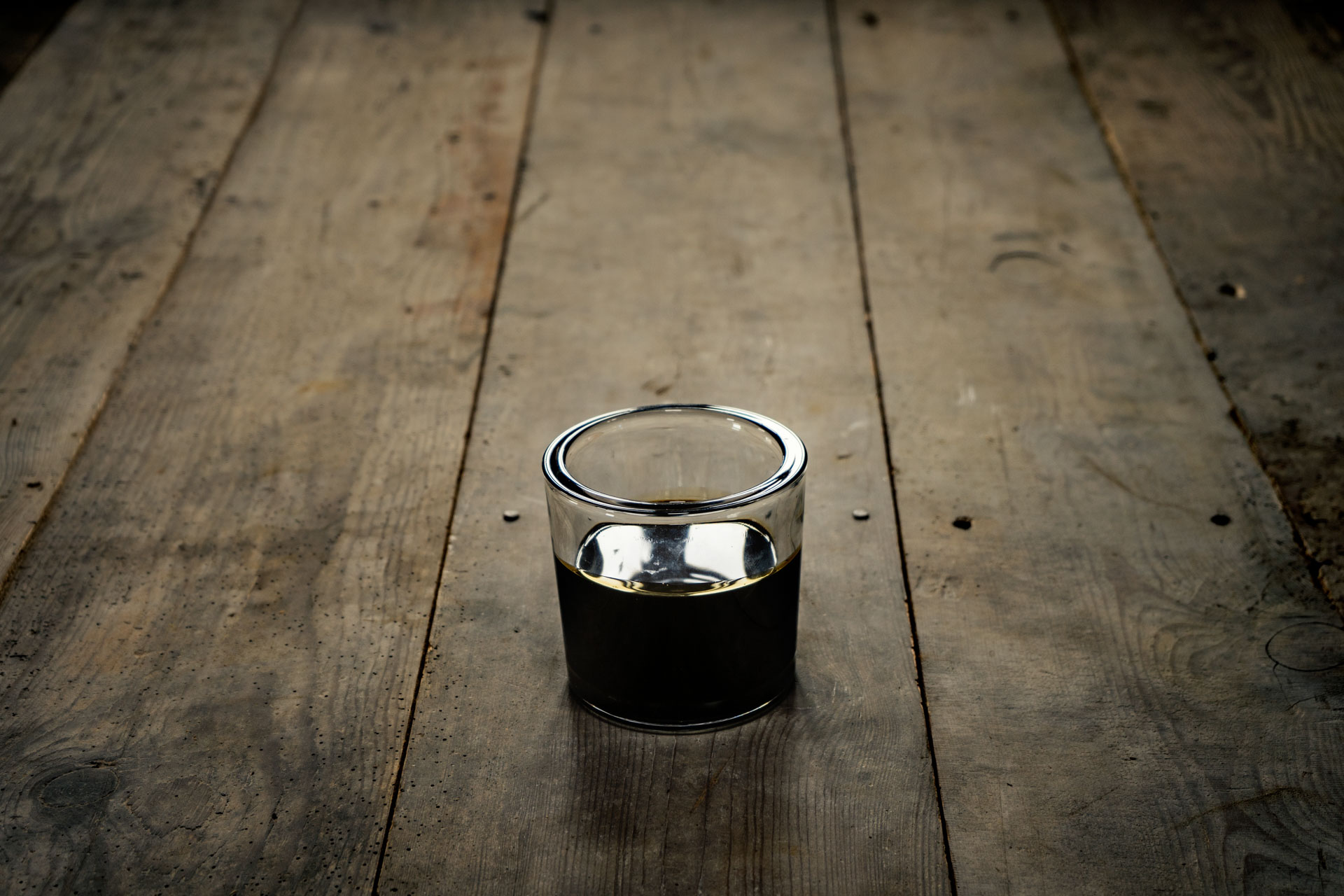
Linseed Oil Wood Tar
89,95 € – 129,95 €
29,98 € – 25,99 € / l
incl. VAT plus shipping costs
Delivery time: 2-4 days
Description
Kiln Burned Pine Tar with boiled linseed oil for impregnating raw, weathered or heavily leached wooden surfaces. Wood tar oil is used for timber framing, wood cladding, wooden gables, shingled roofs, etc. outdoors as well as for wooden boats.
The ingredients are 50% wood tar, 50% boiled linseed oil.
Risk of spontaneous combustion! Rags/paper soaked in linseed oil can easily catch fire. Store rags and papers soaked in linseed oil in an airtight metal container or immerse them in water.
Wood tar oil
Wood tar oil is a light brown, viscous product with a very pungent odour. It is breathable yet water-repellent and is suitable for treating outdoor wooden surfaces. When diluted with turpentine, it is also known as ‘Labsal’ – however, our wood tar is of such high quality that turpentine is not required.
Pure wood tar penetrates new, fresh wood only to a very limited extent, but does penetrate to some extent into old, already weathered and leached wooden surfaces.
As wood tar oil consists of liquid ‘wood-derived’ components such as resins and oils, its most important property is that it replenishes the wood with lost resin and oil components, thereby effectively regenerating it – these components had been washed out or rotted away through natural weathering. In this way, the wood’s weakened ‘immune system’ is revitalised: the wood regains its original resilience and is protected against aggressive sunlight, leaching by rain and moisture within the wood.
Like linseed oil, wood tar oil cures with the help of oxygen and UV light. Curing takes one to two weeks, or longer depending on conditions. This slow, unique curing process gives wood tar oil its exceptionally good adhesion.
It is advisable to leave the container in the sun for a while before use, so that the oil becomes easier to apply. The coat should be reapplied annually.
A surface treated with wood tar oil has a very long service life – when mixed with pigment paste, it lasts considerably longer than pure oil. Wood tar oil should be applied annually in three coats for the first five years. Thereafter, a refresher treatment is recommended every five years (three treatments for rough wooden surfaces); the treatment interval is subsequently extended to 10–15 years.
Typical coverage: approx. 6–10 m²/litre.
Risk of spontaneous combustion! Rags or paper soaked in linseed oil can easily catch fire. Store rags and paper soaked in linseed oil in an airtight, sealed metal container or immerse them in water.